Game Parameters
| Duration | Players | Setting | Goal |
|---|---|---|---|
| 5-10 minutes | 6-30 people | In-person or Virtual | Build energy, create connections, encourage spontaneous sharing |
Transform any gathering into an energetic experience with 72 Seconds of Fun, the rapid-fire ice breaker designed for brief, playful introductions. This game brilliantly combines time pressure with creative expression, making it perfect for meetings, workshops, or team-building sessions where you need immediate energy injection.
How to Play 72 Seconds of Fun: Step-by-Step Instructions
Step 1: Initial Setup (1 minute)
Arrange participants in a circle (physical or virtual gallery view). Explain that each person will have exactly 72 seconds to share something fun about themselves. Set clear expectations: this isn't a presentation, it's a celebration of personality. Have your timer ready and visible to maintain excitement.
Equipment needed: Timer (phone or physical), optional microphone for large groups, enthusiasm meter at maximum.
Step 2: Demonstration Round (2 minutes)
As the facilitator, go first with your own 72 Seconds of Fun. Model the energy level you want to see. Share three quick stories, demonstrate a hidden talent, or rapid-fire list your favorite things. Your demonstration sets the tone – make it memorable, slightly silly, and genuinely fun.
💡 Expert Facilitator Tip: Start with something unexpected about yourself. If you're typically serious, share your secret karaoke song. This vulnerability permission-giving transforms the entire game dynamic.
Step 3: Establish the Rules (30 seconds)
Clarify the non-negotiables:
- Exactly 72 seconds per person (use a loud timer)
- No preparation time once your turn starts
- Anything goes: stories, jokes, talents, lists, impressions
- Supportive reactions encouraged (clapping, laughing, cheering)
- Pass option available (but rarely used once energy builds)
Step 4: Launch the Game (5-7 minutes)
Begin with volunteers or go sequentially around the circle. Start the timer dramatically – make the countdown feel like a game show. During each person's 72 Seconds of Fun, maintain high energy through active listening, reactions, and time callouts ("30 seconds remaining!").
🎯 Professional Insight: The magic happens between seconds 40-60 when participants realize they need to fill time and become wonderfully spontaneous. This is where authentic personality emerges.
Step 5: Energy Management Throughout
Monitor group dynamics constantly. If someone freezes, prompt with questions: "What made you laugh this week?" or "Show us your best dance move!" Keep a list of backup prompts for shy participants. Celebrate every attempt enthusiastically – the goal is participation, not performance.
Step 6: Grand Finale Wrap-Up (1 minute)
After everyone's turn, conduct a rapid-fire highlights reel. Point to participants randomly and recall one memorable thing from their 72 seconds. This reinforces connections and ensures everyone feels seen. Close with group applause for collective bravery.
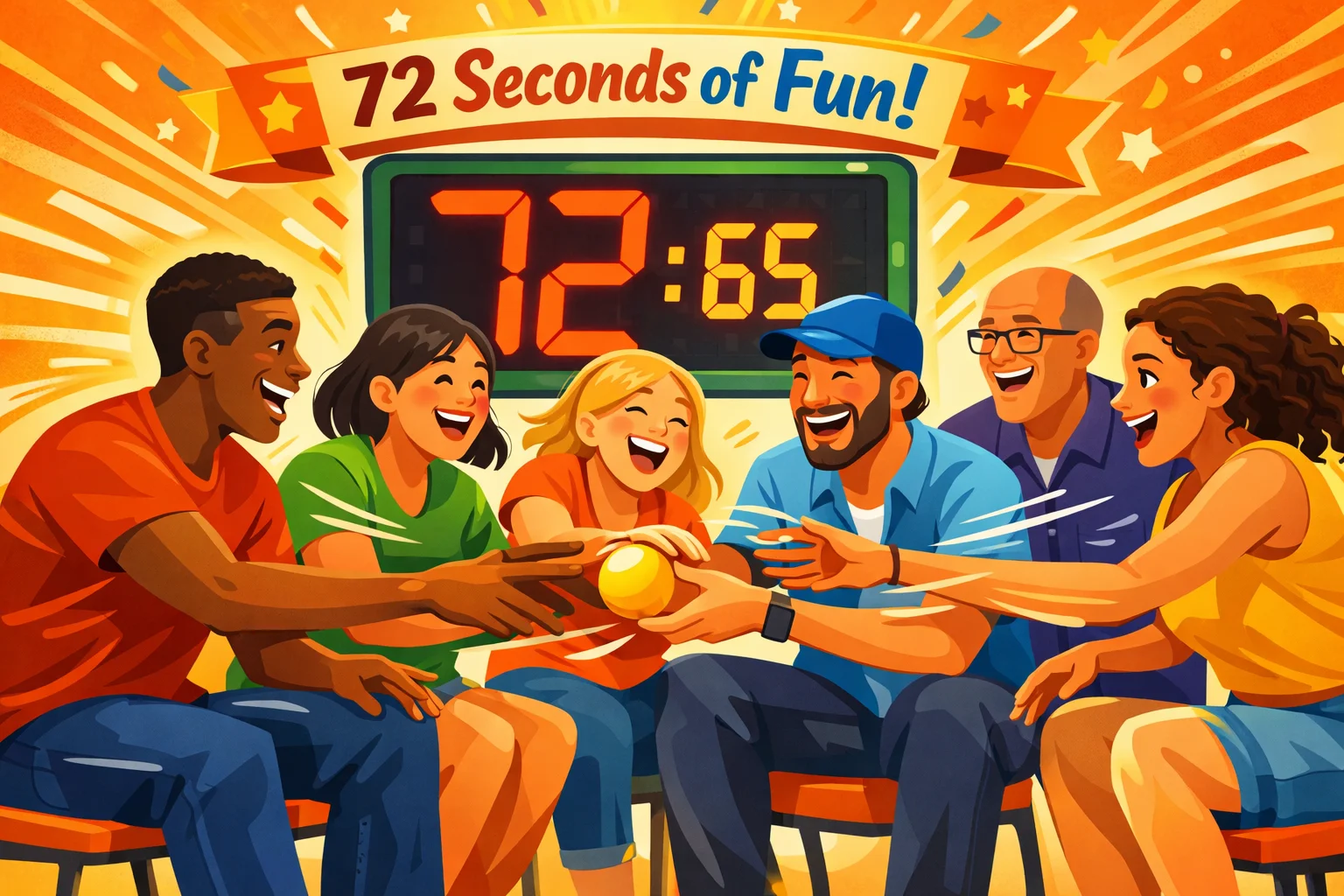
Planning the Activity
A short sharing round gives each willing speaker a clear turn and a visible time boundary. The 72-second length is a facilitation choice, not a scientifically established optimum. Use a shorter or untimed turn when the group needs it.
After the round, ask whether the pace and prompts suited the group. Use that feedback to adjust a later session. The suggestions here are practical facilitation choices rather than measured outcomes from a study.
Expert Facilitation Secrets for 72 Seconds of Fun
🌟 Master Facilitator Insight: The secret to exceptional 72 Seconds of Fun sessions lies in pre-game energy building. Spend 30 seconds having everyone simultaneously make their silliest sound. This breaks the seriousness barrier before anyone goes solo.
Managing Different Personality Types
For Introverts: Offer structure options. Suggest formats like "Three things you'd find in my perfect day" or "My life in five movie titles." Structure provides comfort while maintaining spontaneity. Position introverts in the middle of the sequence, not first or last.
For Extroverts: Channel their energy as co-facilitators. Have them lead applause or time announcements. This involvement satisfies their participation needs without dominating others' moments.
For Skeptics: Address resistance directly but lightly: "I know this feels silly, that's exactly why it works." Explain the practical purpose of the round and invite participants to try it or pass. Often, skeptics become biggest advocates after participating.
Virtual Adaptation Strategies
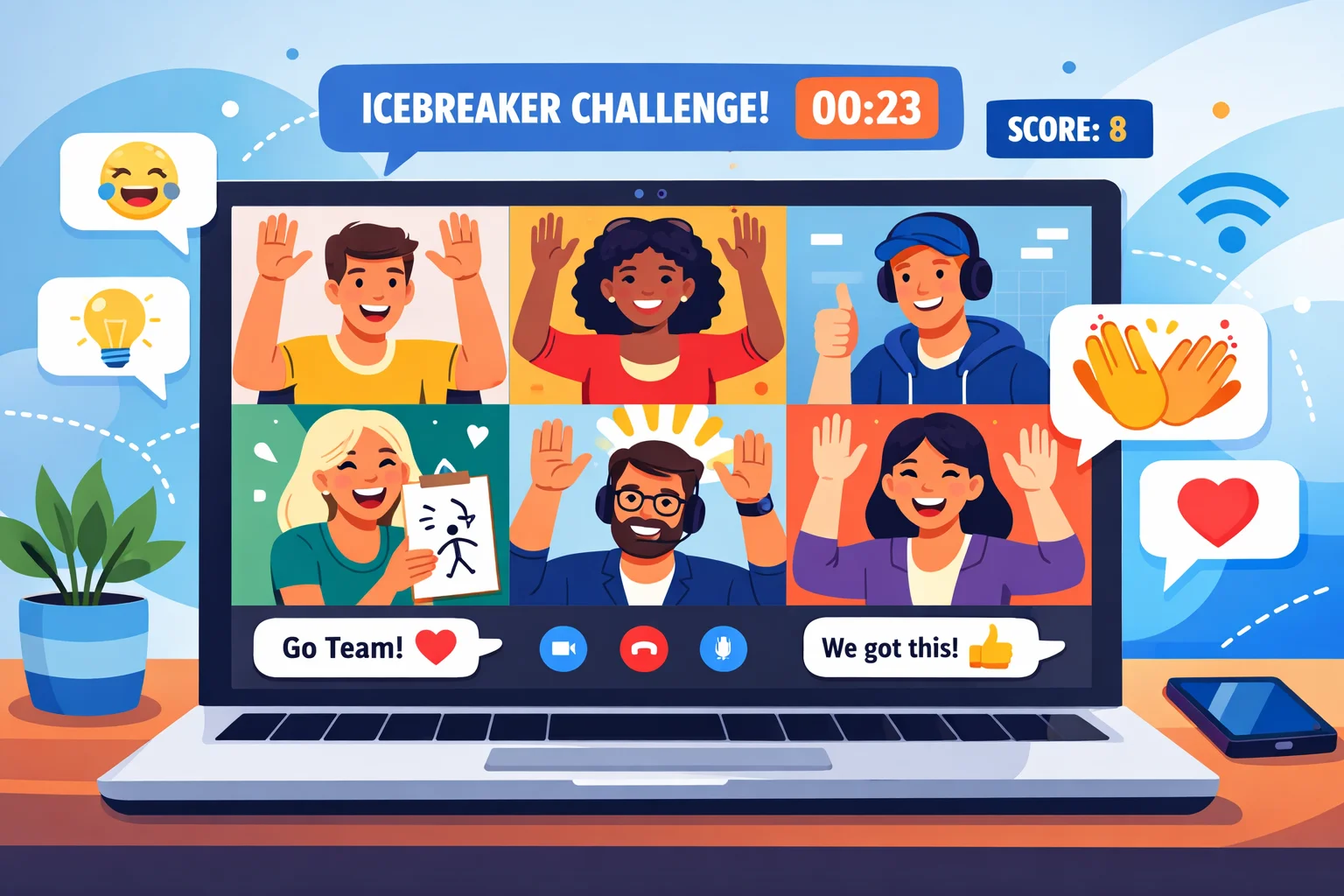
Virtual 72 Seconds of Fun requires specific modifications. Enable "Gallery View" so everyone sees reactions. Use virtual backgrounds as props or conversation pieces. Encourage physical movement – standing, showing objects, or demonstrating talents translates well on camera.
🎮 Digital Facilitator Hack: Create a virtual "stage" by having the current speaker turn on their video while others temporarily turn off theirs. This spotlight effect increases focus and reduces Zoom fatigue.
Common Pitfalls and How to Avoid Them
Pitfall 1: Energy Drop Mid-Game
Solution: Prepare energy injections. Between every third person, lead 5-second group activities: synchronized clapping, collective deep breath, or everyone making a specific face. These micro-breaks maintain momentum without disrupting flow.
Pitfall 2: Someone Freezes Completely
Solution: Have the "Phone a Friend" option ready. The frozen participant can choose someone who already went to join them for a 72-second interview format. This collaboration removes pressure while maintaining the time structure.
Pitfall 3: Inappropriate Oversharing
Solution: Establish boundaries upfront with humor: "Share like your grandma's watching." If oversharing occurs, redirect smoothly: "Love the enthusiasm! What's your favorite appropriate-for-grandma hobby?" Never shame, always redirect.
Pitfall 4: Technical Issues in Virtual Settings
Solution: Build technical issues into the fun. If someone's audio fails, they perform 72 seconds of charades. If video freezes, they become a statue that others interpret. Transform problems into play.
Advanced Variations of 72 Seconds of Fun
Themed Editions
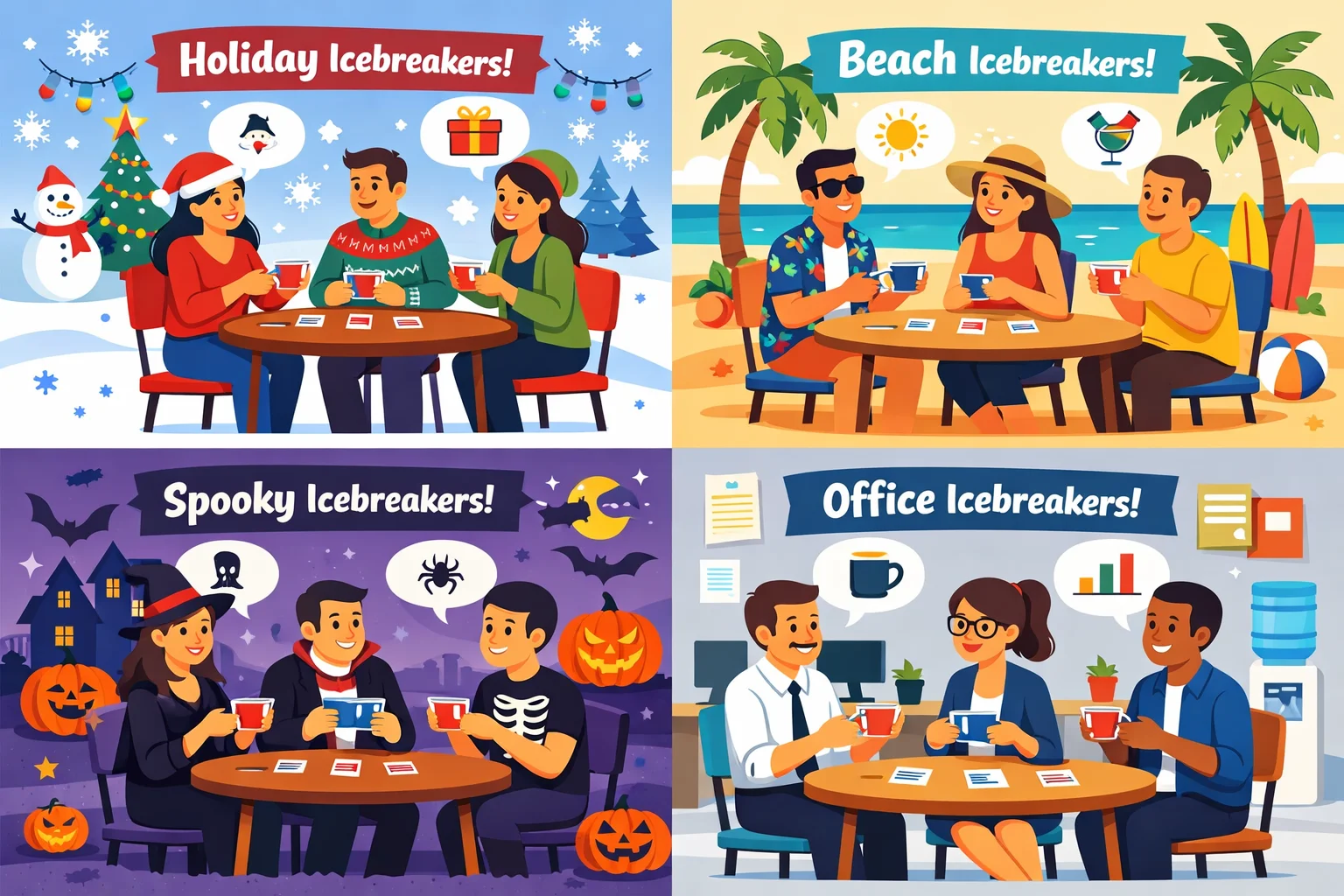
Customize 72 Seconds of Fun for specific contexts:
- Project Kickoff: 72 seconds on "My superpower for this project"
- Holiday Party: 72 seconds of "My weirdest holiday tradition"
- Team Retreat: 72 seconds of "Hidden talents that could help our team"
- Conference Networking: 72 seconds of "My professional plot twist story"
Progressive Difficulty Modes
Level 1 - Comfort Zone: Share favorites (foods, movies, places) Level 2 - Stretch Zone: Demonstrate a talent or skill Level 3 - Growth Zone: Share a failure that became a win Level 4 - Breakthrough Zone: Improvise a commercial for yourself
Partner Variations
72-Second Duets: Pairs collaborate for combined 72 seconds Tag Team 72: Switch speakers every 24 seconds (3 people per round) Echo 72: Next person must incorporate previous person's theme
Measuring Success: KPIs for 72 Seconds of Fun
Track your facilitation effectiveness through observable metrics:
Engagement Rate: Percentage of voluntary versus prompted participation. Target: 80% voluntary by round three.
Energy Trajectory: Rate room energy 1-10 before and after. Success = minimum 3-point increase.
Connection Quality: Count follow-up conversations sparked by shares. Each 72-second share should generate 2-3 connection points.
Time Adherence: Measure how closely participants hit the 72-second mark. Improvement over rounds indicates comfort growth.
Facilitation check: After the round, ask whether the pace felt comfortable and whether participants learned something useful about one another. Adjust the next session using that feedback; this activity does not promise a measured improvement in collaboration.
Cultural Adaptations for Global Teams
The 72 Seconds of Fun framework adapts beautifully across cultures with mindful modifications:
High-Context Cultures (Asia, Middle East): Allow storytelling formats that honor indirect communication. Encourage metaphors and analogies over direct personal reveals.
Low-Context Cultures (Northern Europe, North America): Embrace direct sharing and specific examples. Encourage concrete achievements and clear preferences.
Collective Cultures (Latin America, Africa): Frame shares as "How I contribute to groups" rather than individual achievements. Celebrate community connections.
Individual Cultures (Australia, USA): Highlight unique personal qualities and independent experiences. Celebrate distinctive perspectives.
Integration with Team Development Models
Tuckman's Stages Application
Forming Stage: Use 72 Seconds of Fun for initial introductions, focusing on commonalities discovery.
Storming Stage: Apply themed versions addressing work styles and conflict resolution approaches.
Norming Stage: Leverage the game to celebrate team evolution and shared experiences.
Performing Stage: Use advanced variations to maintain energy and prevent staleness.
Psychological Safety Building
Early participants can model a brief, low-detail answer. Remind later speakers that passing or choosing a lighter topic is acceptable. A time limit does not determine whether disclosure feels safe.
Post-Game Momentum Maintenance
Immediate Follow-Up Activities
Capitalize on 72 Seconds of Fun energy immediately:
- Connection Mapping: Have participants find someone whose share surprised them
- Theme Threading: Identify common themes across all shares
- Energy Transfer: Move directly into brainstorming or problem-solving while enthusiasm peaks
Long-Term Integration
Reference 72 Seconds of Fun moments in future meetings. Create inside jokes from memorable shares. Build team traditions around quarterly 72-second updates. This continuity transforms single activities into cultural touchstones.
🔄 Retention Strategy: Create a "72 Seconds Hall of Fame" documenting memorable moments. This archive becomes valuable team history and onboarding material for new members.
Troubleshooting Guide for Facilitators
Q: What if my group is too large? A: Split into smaller circles of 8-10, then share highlights across groups. Or create "72 Seconds Showcase" with voluntary performers while others observe.
Q: How do I handle time overruns? A: Use increasingly dramatic timer warnings: gentle at 60 seconds, urgent at 70, comedic alarm at 72. Make stopping part of the fun.
Q: What about remote participants in hybrid settings? A: Give remote participants choice positions (not last). Use screen-sharing timer visible to all. Ensure audio quality allows full group hearing.
Planning Short Activity Rounds
72 Seconds of Fun operates on energy wave principles. The game creates an initial spike through anticipation, sustains through participation, and peaks during collective celebration. Understanding these waves helps facilitators optimize timing and placement within broader agendas.
Match the pace to how the group feels. Offer a quieter prompt when participants are tired and a more playful one when they want an energizer. The day of the week does not determine which format will work.
Ready to Elevate Your Facilitation?
You've mastered the blueprint for 72 Seconds of Fun. This isn't just an ice breaker – it's a culture-building catalyst that transforms groups into connected communities. Every element, from the precise timing to the energy management techniques, contributes to breakthrough engagement.
Start playing now and watch as your team transforms through the power of shared laughter and authentic connection. The magic happens when time pressure meets creativity, and meaningful bonds form in just 72 seconds.